
We know, we know – “consistency is key” is one of those tired phrases that gets tossed around all the time. But hear us out… because this one’s actually true.
Ever seen a brand that looks 🔥 on Instagram, but then you click through to their website and think, “Wait… is this even the same business?”.
Yep. Us too. And we call that the Frankenbrand effect – when your brand design is stitched together from different fonts, colours, tones, and vibes, depending on who designed it (or which trend was hot that week).
Here’s the thing: consistency is what makes a brand feel legit. Cohesive brand design builds trust. It creates recognition. It gives off “we know what we’re doing” energy – even if behind the scenes, you're still figuring it all out.
And yes, even start-up brands need consistency from day one. Why? Because every day spent looking ‘not quite right’ is a missed opportunity to make a real impression. Working with a brand design agency early means no wasted time and a strong start.
So if your brand’s feeling a bit mismatched, or your team’s asking “is this on-brand?” every other day… you’re in the right place.
Let’s fix that.
Consistency builds trust.
Look at all the mega brands out there that are doing this constantly – the ones you’d recognise in a second. Apple. Nike. McDonalds. Calvin Klein. Rolls-Royce. They’re consistent with their brand design. Not boring. Not rigid. Just recognisably them. Different industries, totally different personalities – but one thing in common: they're recognisably themselves everywhere they go.
When people see a brand show up in the same voice, the same tone, the same visual style (across every platform and every touchpoint) it signals stability. And people want stability from brands.
That doesn’t happen by accident. That’s the result of crystal-clear brand systems and obsessive consistency.
Because here’s what consistency actually does for your brand:
Inconsistency, on the other hand, quietly chips away at everything you’ve worked for. It creates doubt. Makes things feel off. Sketchy. Amateur. You know that feeling when you land on a brand’s socials and immediately think, “Hmm… not sure I trust this”? That’s brand inconsistency at work.
And worst of all is the fact you could have the best product in the world, but if your brand feels disconnected or messy, people will scroll past it, close the tab, or forget it ever existed.
Consistency doesn’t just make you look better. It makes you more believable, more buyable, and more bankable.

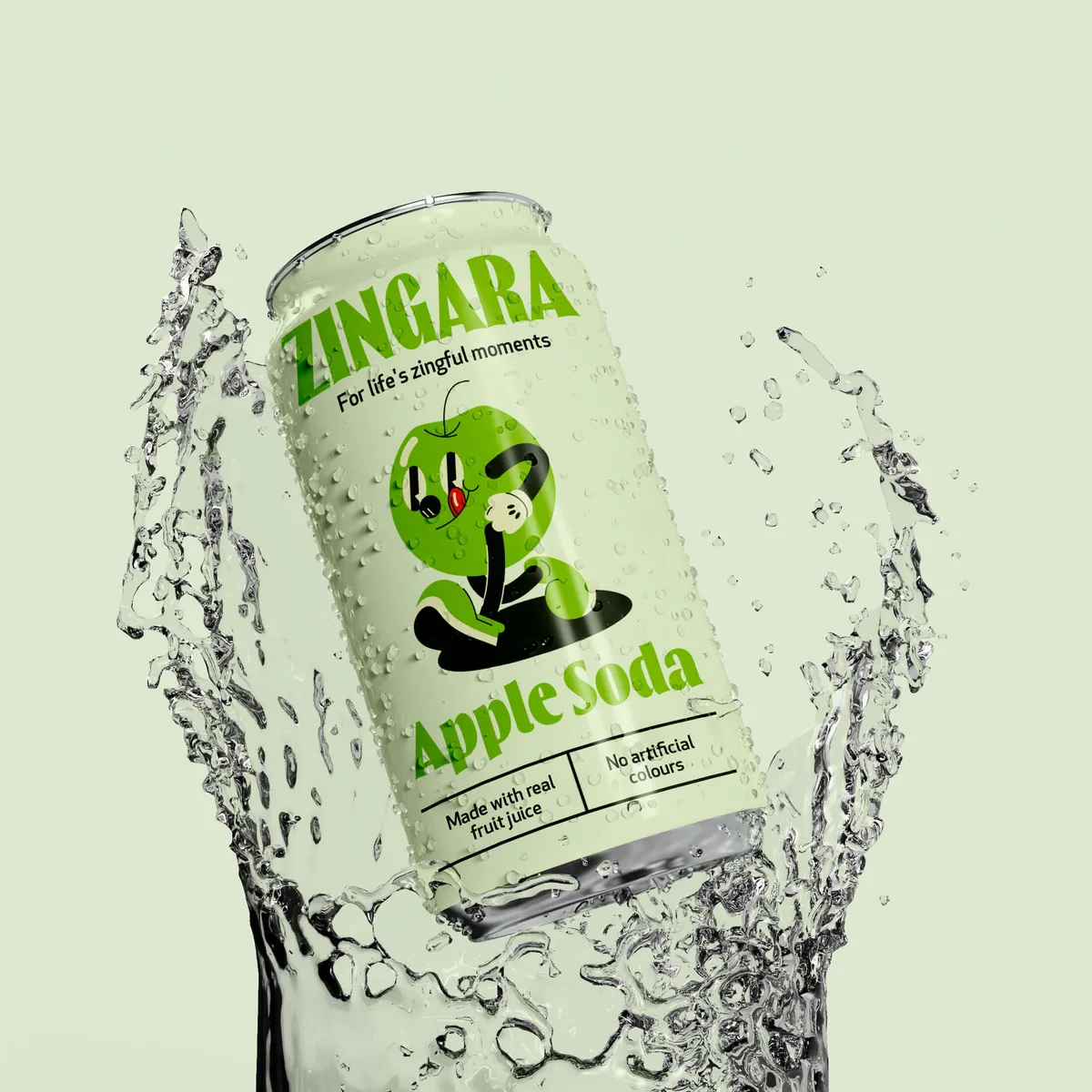
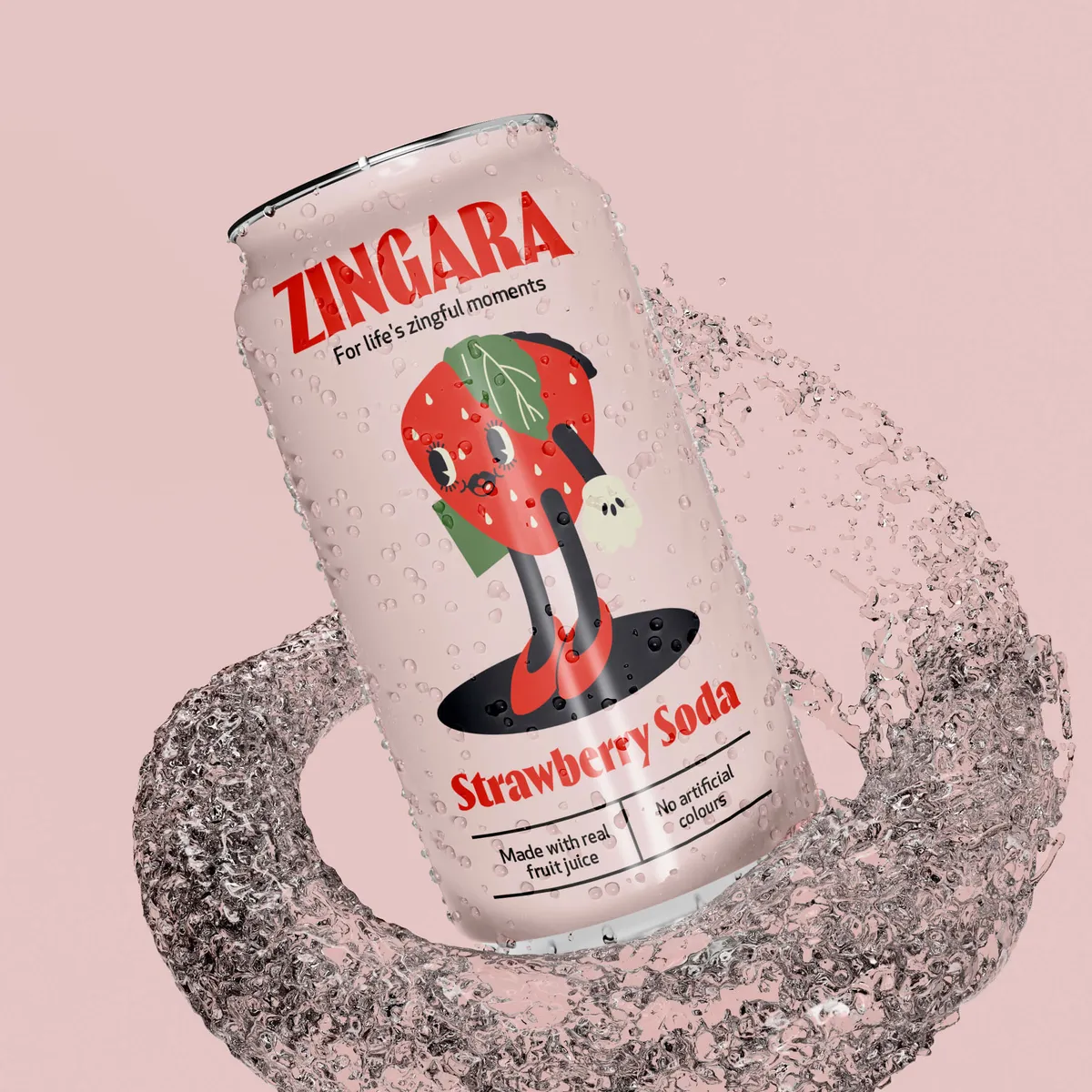


Because life happens. You grow fast. You bring in a freelancer here, an agency there. Someone changes the colours. Someone else switches fonts “just this once”. You launch new stuff before you’ve updated the brand guidelines. You try a trend that doesn’t quite land.
Suddenly, your brand is a mash-up of “kind of works” decisions.
That’s normal but it is fixable. And it’s on you … it’s your responsibility to make it right.
Let’s break down how to stay consistent and keep your brand looking tight, trustworthy and totally you.

Let’s clear this up: a logo is not a brand system.
A brand system is the full toolkit – the fonts, colours, layout rules, photography style, tone of voice, icon style, how you use whitespace, how you don't use gradients from 2012, etc.
It’s the stuff that makes everything look and feel cohesive, even when you’re applying it across different formats, platforms, or people.
The fix:
Work with a brand design studio (hi 👋) to create a proper visual identity – one that includes the rules and the flexibility you need to grow with confidence.

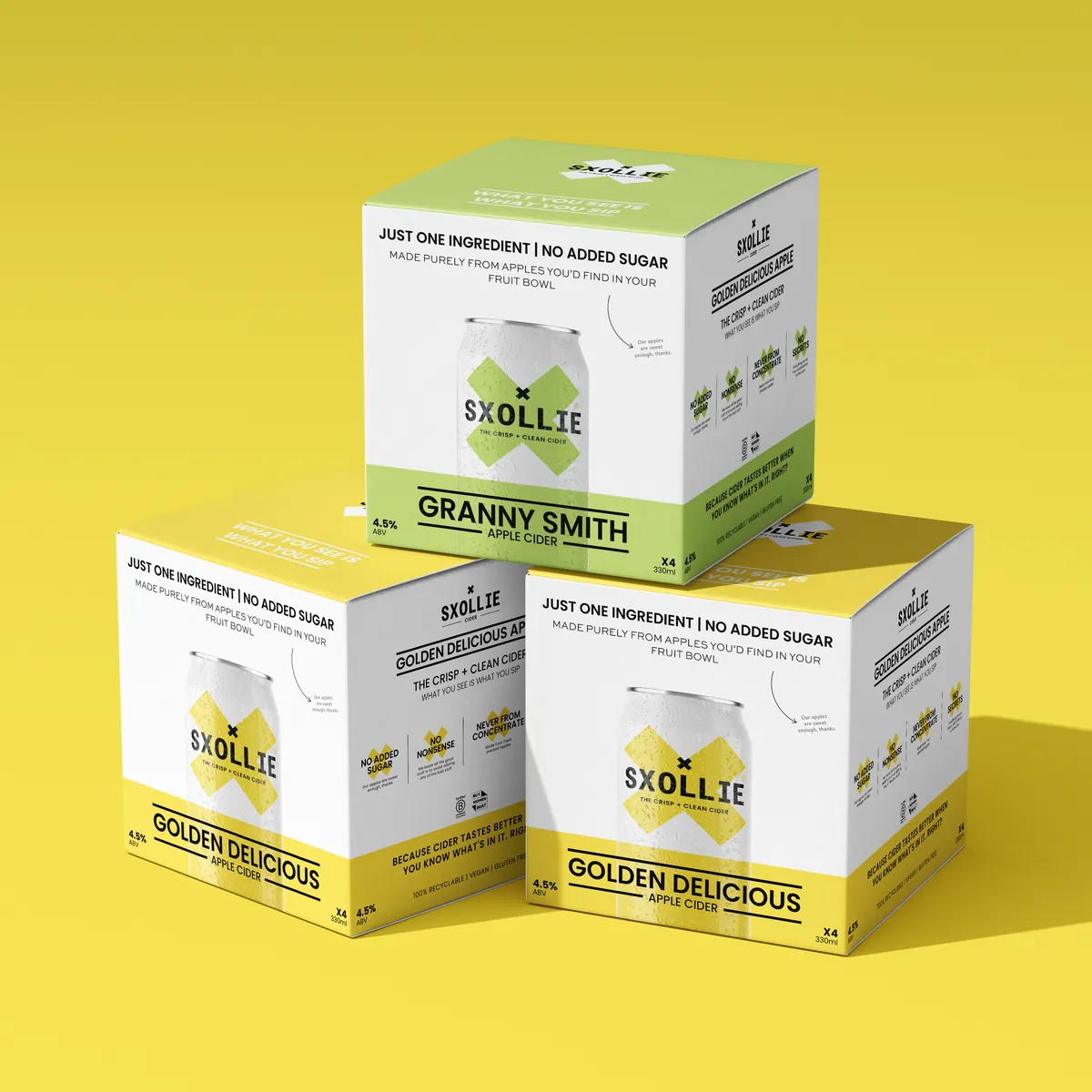


Let’s face it, most brand guidelines end up being documents that no one reads.
But good guidelines? They’re useful. Human. Clear. They explain why decisions were made, not just what to do with them.
The fix:
Build a brand guide that’s genuinely helpful – one that includes:
Bonus points if you make it digital and easy to update.

If you’re starting from scratch every time you need a new post or presentation, of course, consistency is going to be hard. You need to set up systems to make life easier for yourself. Or better, find a brand agency that can do the legwork for you.
Templates are your shortcut to on-brand everything, especially when you’re juggling different team members, tools, and timelines.
The fix:
Create a suite of branded templates for:
Templates keep things aligned, reduce decision fatigue, and make everything faster. Wins all round.

Even with the best brand in the world, if the people working on it don’t understand how to use it, things will fall apart.
The fix:
Run a short brand induction with anyone creating content or design for your business.
Show them the guidelines. Walk them through your why. Let them feel the brand.
If you’ve got multiple people touching your brand (in-house or external), this is essential. Branding doesn’t stay consistent by accident, it’s a shared mindset.

Brands evolve and that’s a good thing. But inconsistency often comes from piecemeal updates made over time without stepping back to check how everything works together.
The fix:
Do a regular brand check-in. Ask:
A light brand audit every 6–12 months can save you from bigger brand problems down the line.

Being consistent doesn’t mean being boring.
You can have fun, push the edges, evolve over time – as long as the core of your brand stays recognisable and intact. Consistency gives you the freedom to explore within boundaries, not the obligation to repeat yourself forever.
Think of it like a band with a distinct sound. Every album is different but you still know it’s them.
If your brand’s feeling a bit disjointed, inconsistent, or “not quite us anymore”, you’re not alone. It happens to the best of us. But it doesn’t need to keep happening.
At Noramble, we help brands get clear on who they are – across design, packaging, messaging, and everything in between. And we make sure the system we build is one you can use. The future of brand design is looking way more personal, more intentional, and way more connected. We’re here to help you lead it, not follow it.
If you need a hand, don’t be shy. Get in touch with us and we’ll see what we can do for you.


