
The year was... some time in childhood. You walked into the kitchen, spotted that tall, cardboard tube and thought: "Oh hell yes, Pringles."
You didn’t need to read the label. You didn’t need context. That weirdly architectural canister said it all.
That is the power of distinctive brand assets.
Shape, colour, tone – all doing heavy lifting before your brain even clocks the logo.
Now let’s take a hard left turn… into the cheese aisle.
We love cheese. We worship cheese. But as brand designers? The cheese aisle makes us weep when it comes to brand design.
Block after block of mild cheddar wrapped in identical plastic. Beige, off-white, or red if they’re feeling edgy. Fonts you could spot in Microsoft Word circa 2003. There are exceptions, sure but as a category, cheese branding is seriously lacking.
You could close your eyes, grab one at random, and it wouldn’t matter.
And that’s the point: when your brand looks like everyone else, it becomes forgettable by default. And if you’re not stopping people in their tracks, that’s a sign your brand design is holding you back. But when it shows up like Pringles in a sea of crisp bags? You don’t just stand out – you stick. And people buy.
Let’s get into why that matters more than ever.
Think of them as your brand’s cheat codes. They’re the colours, shapes, typefaces, characters, jingles, weird mascots, and lovely packaging details that stick in people’s minds long after the ad ends or the shelf is restocked.
We’re talking:
These are not just branding fluff. They’re memory glue. Recognition devices that make your brand unforgettable. The things that say “it’s us!” in a crowded market. That’s priceless.


Your brain is bombarded with around 6,000 brand messages a day. It's not trying to remember them all, it's trying to survive.
So it creates shortcuts. Associations. That feeling when you instinctively reach for your brand without thinking? That’s distinctive assets doing their job.
And if you like stats:
The takeaway? Memory wins. And brands with sticky stuff get remembered. Those without don’t make the same impact.
Aside from looking fab on a shelf, here's what they deliver:
No time to read the label? Doesn’t matter. The pink hue, the serif font, the lil’ illustrated shrimp – boom. It's that brand. Let’s talk about a brand that basically owns an entire product in the UK: Heinz Tomato Ketchup.
You could be halfway across the world, squinting in a café with jet lag and a hangover, and still clock that weirdly curved glass bottle and chunky serif logo from across the room. You don’t need to read the label. You don’t even need to see the word “ketchup.” You know it’s Heinz.
Even when they swapped the glass for a plastic squeeze bottle (our wrists thank them), they kept the layout, the label – all of it recognisably, unquestionably Heinz.
That’s the power of distinctive brand assets:
You’re not scanning the shelf for “ketchup” — you’re scanning for Heinz.

Consistency breeds trust. Familiarity breeds preference. If your packaging looks the same every time you buy it, your brain will naturally say, "Yep, safe choice." (We love a safe choice with a little edge.)
Take Ella’s Kitchen.
Bright pouches. Handwritten-style fonts. Scribbly fruit illustrations. Every product, whether it’s “The Red One” or “Peachy Yoghurty Brekkie,” feels like it came from the same kitchen – one run by a toddler with some form of marketing degree.
And that’s exactly the point. It’s fun, it’s playful, it’s consistent. The colours are loud but logical. The branding is childlike, but the message is clear: we’re good for your kid and we’ve got nothing to hide.
Parents buy it once and it becomes a no-brainer. It stands out in a sea of hyper-clean, overly functional baby food packaging, but more importantly – it shows up the same every time.
That level of recognisability builds trust. Emotional, subconscious, “my baby likes this one so I don’t have to think today” kind of trust.
And in categories like food (especially for small humans)? That’s priceless.

Image source: ellaskitchen.co.uk
People shop in a rush. With wet hair. On a lunch break. While trying to keep a toddler from eating a loyalty card. Good brand assets say, "Hi, here’s who we are," faster than a panic-buy.
Let’s talk about Aussie Hair.
The bottles? Easy to spot – soft cream colour, poppy purple cap, punchy little kangaroo. But it’s what they do with those assets that’s genius. Aussie shows up with a personality not many brands can compete with.
Here’s the bit that made us fall in love:
"Apply to... look you know how to shampoo your hair don’t you? If not give us a ring and we will talk you through it."
That’s the how to use copy. On the back of the bottle. Where 99% of brands go to die of boredom.
But Aussie? Aussie makes you laugh in the shower. While you’re half asleep. That’s no accident, that’s what happens when a brand sweats the small stuff.
It tells you:
And more importantly, it makes you remember them. Reach for them again. Choose them over the zillion other “moisture miracle botanical shine fusion silk therapy” bottles sitting next to it.
All from a little chuckle on the back label.
So yeah – tone of voice, micro-copy, unexpected moments? Those are brand assets. Just quieter ones. And they’re often what turn a casual buyer into a lifelong fan.

Let’s circle back to cheese. It’s a sea of plastic rectangles in “premium” beige, “mature” burgundy, and “farmhouse” green. Same serif fonts. Same rolling hills. Same vaguely Victorian dairymaid energy.
Now imagine this:
A jet-black wax-coated wedge. Wild, graffiti-style typography. A neon pink sticker that screams, “NOT YOUR NANA’S CHEDDAR.”
You’d do a double-take. You might laugh. You might buy it on vibe alone. Even if you have no idea what it tastes like (though let’s be honest, it better slap).
That’s not just disruption for fun – that’s memorable, ownable, and emotionally charged branding in a category that’s been snoozing in its well-worn wellies.
But we’re not saying be loud just to be loud. Strategic disruption is the name of the game. It only works if it makes sense for your product, your audience, and your brand’s actual personality.
That’s where we come in – spotting the patterns, then breaking them in all the right places. Think of us as your go-to brand design agency.

The stronger your assets, the less you have to shout. And if your brand is recognisable without the name? You’re onto something powerful. Think ownable = valuable. Hello, brand equity.
Just look at Yorkshire Tea.
That rolling hills illustration? Instantly recognisable. The chunky red banner? Iconic. The tone of voice? Warm, no-nonsense, and so proudly Northern it practically brews itself.
You could crop the logo off the box and still spot it a mile away. And over the years, Yorkshire Tea has built more than just a look – it’s built trust, humour, regional pride, and a no-nonsense charm only Yorkshire can pull off.
They’re not trying to be fancy. They’re not chasing 2026 trends. They’re saying, “We make proper tea. No faff.” And people love them for it.
That’s why they can sit at the top of the shelf without shouting discounts or going full influencer. They’ve already earned their spot.

There’s a difference between having branding and having brand assets people remember. You want to be the brand that gets spotted across a room like an ex at a wedding – instantly recognisable, slightly dangerous, and impossible to ignore.
Here’s how we do it at Noramble:
Before you start slapping colours on cans, you’ve got to get painfully clear on your brand’s personality, values, and tone.
This is not just for your brand book. It’s the DNA that your visual (and verbal) assets will grow from. Otherwise, you end up looking like every other “premium plant-based ethical snack” that no one remembers five minutes later.
Think: If your brand was a guest at a dinner party, what would they wear, drink, and talk about?

We always start with a category deep-dive. What does everyone else look like? How are they using colour, typology, tone, packaging? What’s the dominant visual language?
Then we ask: what’s missing?
For example:
It’s not about being different for the sake of it, it’s about finding the ownable edge that still feels right for your audience. We make sure it works for your brand.


Anyone can download a standard font and call it a day. You should know by now … we’re not about that life.
We’re talking:
This is the stuff that builds emotional connection. The stuff people want to keep. The stuff they photograph and post on Instagram with a “LOOK HOW COOL THIS PACKAGING IS 😍” caption.


We will die on this hill.
Once you’ve got your assets, use them like your brand depends on it … because it really does.
People don’t remember brands that shapeshift. They remember the ones that feel solid. Reliable. You.

We’ll stop preaching about how good we are and just show you instead. The proof is in the pudding 👇:
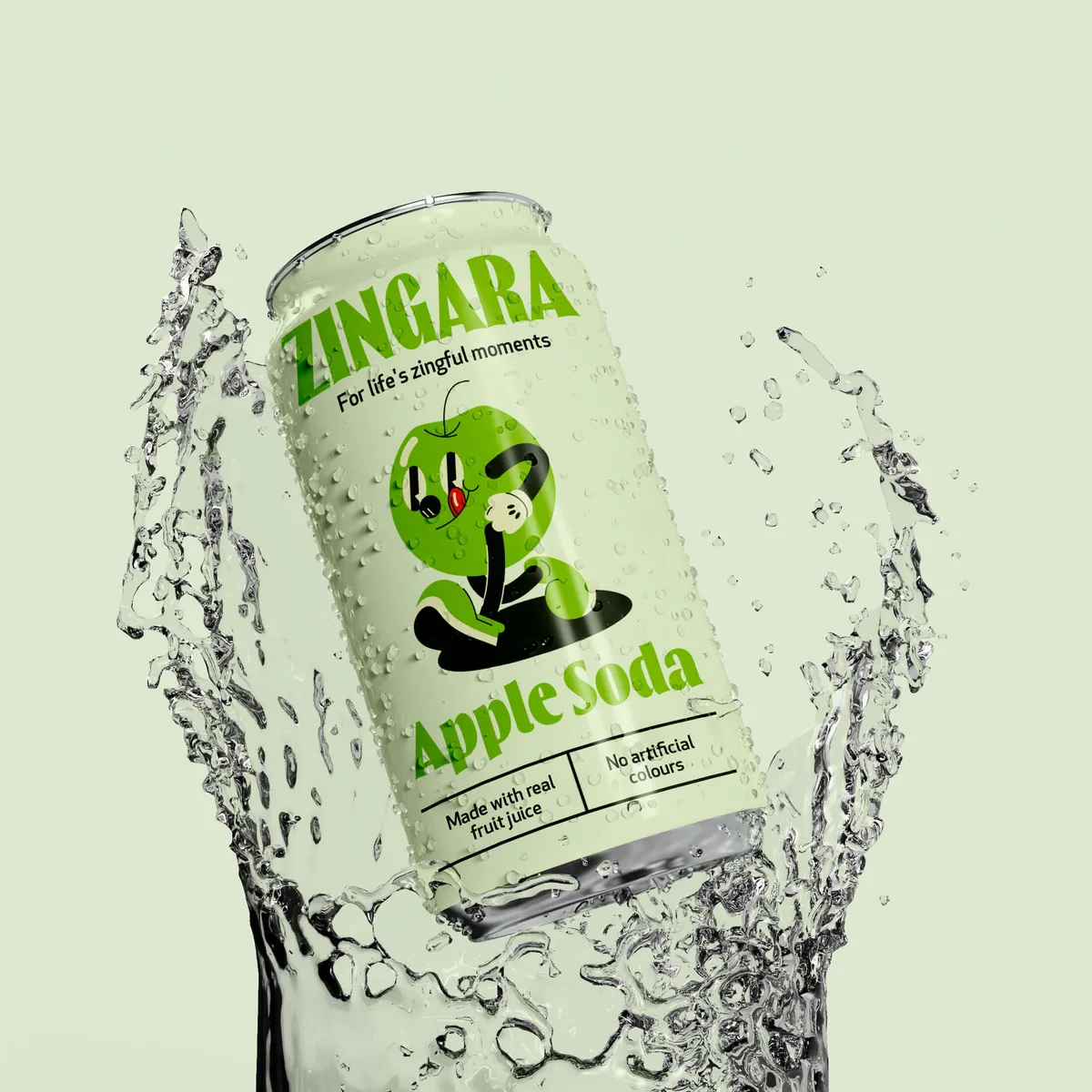
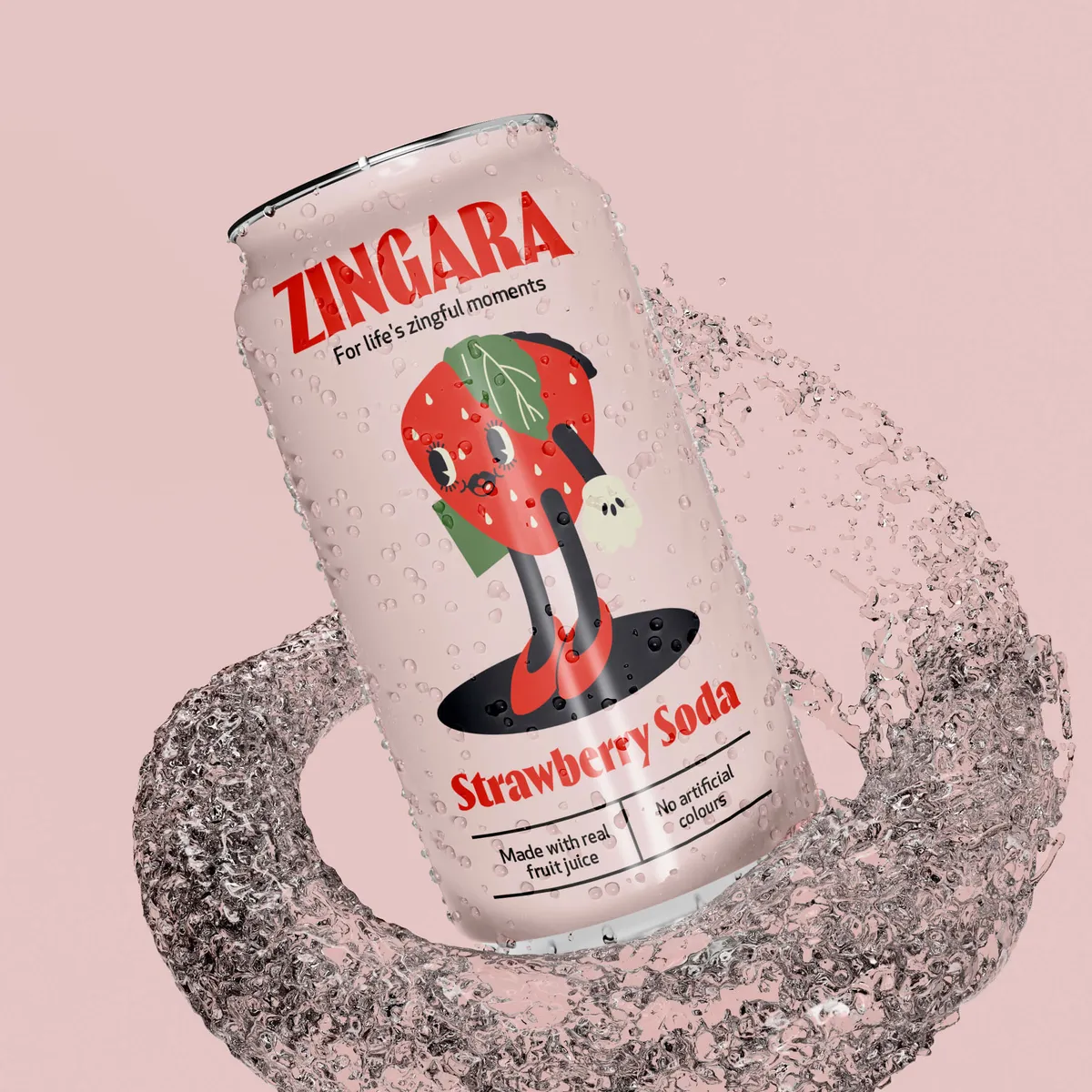
When soda brand Zingara came to us, they had a bold idea: retro flavours with a modern twist. What they needed was branding that could walk that line — nostalgic, but not stuck in the past. Enter: Noramble 👋.
We created a vibrant, ownable identity built around a cast of flavour mascots – quirky little characters designed to inject personality, build storytelling potential, and keep things fresh as the range grows. These became the mental shortcuts for flavour, fun, and Zingara’s whole vibe.
Paired with juicy typography, eye-socket-popping colours, and a tone that didn’t take itself too seriously, Zingara’s brand assets did exactly what they’re supposed to do:
✅ Grab attention
✅ Be instantly recognisable
✅ Build long-term brand equity
Now launched into independents with over 25 PR features under its belt, Zingara is proof that when you sweat the distinctive stuff, your brand will stick.


When Nod Skincare approached us, they weren’t just looking for a clean brand look — they wanted to redefine what skincare means for men. Not macho. Not overly scientific. Just simple, effective, and quietly empowering.
We started with research, digging into how men actually shop for skincare. Spoiler: they’re not reading up on niacinamide percentages. They’re looking for something that feels right — easy to understand, doesn’t talk down to them, and doesn’t smell like their girlfriend’s serum.
So, we built a minimalist identity that was clean and confident, with a laid-back tone of voice and a clever emotional layer: small motivational messages printed right on the pack. No big speeches, just small reminders that hit in the mirror at the right time.
The result?
✅ An empowering brand that doesn’t shout
✅ Design that looks premium but feels approachable
✅ Messaging that supports both skin and mindset
With a 2024 launch, PR buzz, and a tidy 23% retail growth, Nod proves that quiet confidence, when done right, is a brand asset all on its own.


Shift Deodorant was ready for, well… a shift. With growth on the horizon and a more premium direction in sight, they came to us for a brand refresh that had to feel elevated, responsible, and future-proof.
We gave Shift’s refill packaging a full visual repositioning. Think:
The result? A minimal but mighty new look that finally reflects the brand’s values and ambition. Now the refill stands confidently on its own, holding its own on-shelf and in customers’ bathrooms — no outer box needed to explain itself.
This was a strategic visual upgrade.
✅ Clearer premium positioning
✅ Materials that support the mission
✅ Distinctive identity without shouting
Sometimes, the boldest move is knowing when to strip it back. And both Shift and Noramble understood the assignment.


Popjoys came to us with a mission: bring joy back to snacking … without the guilt trip. In a category weighed down by calorie counts and sad fonts, they wanted to launch a popcorn brand that felt light, fun, and health-positive. So that’s exactly what we gave them.
We started with the real-world use case — snackers on the go. That meant a resealable bag (practical, yes please). From there, we built a visually light identity, using a playful, variable typeface and scattered popcorn elements to mirror the actual snack experience: airy, spontaneous, and joyfully messy.
This packaging was functional, memorable, and strategically crafted to:
✅ Emphasise their health-focused USP
✅ Stand out in cinemas and grab-and-go spaces
✅ Scale with flavour drops and NPD
The result? A brand with 34% growth in awareness, stocked in local cinemas, and the confidence to expand their range — all because it looked and felt like joy in a bag.
It’s popcorn you can feel good about. Branding you remember 🍿.


If your brand assets don’t punch people *gently* in the memory, what are we even doing?
Your brand should be:
And if you’re in a category that’s stale and safe, you’ve got a golden opportunity to break the pattern. Trust us, people notice.
We’re a top brand design agency. We live for this stuff. The craft, the chaos, the colour-matching tantrums. If your brand is looking a bit... safe or if you’re a start-up with no direction, let us help you turn up the volume in all the right places.
👉 Work with us.


