
Let’s start with this: people don’t connect with businesses. They connect with brands that feel human. Brands that say something, stand for something, and show up with a bit of personality. People buy from people, right? And it’s why we’re seeing a rise in the likes of personal branding on LinkedIn. It’s because faceless companies are a thing of the past. Completely undesirable.
While messaging, voice, and copy play a big role in showcasing your personality, brand design is where that personality really starts to show its face.
It’s in your colours. Your logo. Your layout choices. The way your packaging holds itself on a shelf. The scroll of your website. The tone of your typography.
When you get the personality right, it becomes magnetic. People feel it, even if they can’t always explain why.
Let’s talk about how to make sure your brand design feels like you.

Quick test: think of three brands you love. Got them? Good. Now ask yourself: why?
Chances are, it's not just the product – it's the feeling you get when you engage with them.
That feeling is personality. And design is what helps you translate that feeling into something visual and tangible. Behind every cohesive brand , there’s a clear personality driving it.
A bold, confident brand might use thick, punchy typography and bright, uncompromising colours.
A softer, more human brand might use loose illustration styles, natural textures, and conversational layouts.
A cheeky, rebellious brand (👋 hi, it’s us) might use unexpected contrasts, playful typography, and a bit of visual tension to break the mould.
Your design is doing the talking, whether you realise it or not. So let’s make sure it’s saying the right thing. Since brand design can directly impact sales for the better, it’s in your best interest to make sure it reflects the kind of brand people want to buy from.

You can’t show personality in your design if you haven’t defined it in the first place. This is where brand strategy comes in. Strategy that helps you to define “who are we really?”.
Start by asking:
Get clear on that, and suddenly your design decisions start being intentional.
Start-up founders, take note: Figuring out your personality early saves you time, money, and missed opportunities. You don’t need to wait until you “grow into it”, brand design is how you grow. When you work with a brand design studio from day one, you’re not wasting time guessing. You’re making an impression from the get-go, with a brand that knows who it is and how to show up. That’s how you build traction faster.
At Noramble, we start every project with a brand strategy – this is where we get to know who you are as a brand. We ask the hard questions and find the very thing that sets you apart, because this is the blueprint. Everything else is just decoration if you don’t know who you are.

This is where the fun begins – translating personality into pixels, packaging, and print.
Here’s how that plays out:
Your colour palette sets the emotional tone fast. That’s why it’s one of the first things people think about when they start “designing” a brand.
This is what you’re usually told:
And while technically true in some contexts, here’s the honest bit:
Colour isn’t universal.
Just because mustard yellow says "premium DTC skincare" in one category, doesn’t mean it won't scream “budget clearance sticker” in another.
Colour psychology is real but it’s also deeply shaped by context, category and culture. What works for a wellness brand might feel completely off for a luxury food brand. What feels fun in fashion might feel completely wrong in finance. And what makes sense in Europe might be totally misinterpreted elsewhere. So you must choose your colours wisely.
This is why working with a brand designer matters.
We don’t just pick colours based on vibes. We do the research. We analyse your competitors. We dig into your audience. We look at how colours are already being used in your space and work out how we can either fit in strategically or break the pattern intentionally.
So yes, colours say something. But the real question is: what are they saying to your audience, in your market, right now?
If you don’t know … we do.

Fonts have feelings. They set the tone before a single word is read and when used intentionally, they become a huge part of how your brand is recognised and remembered.
Here’s the usual breakdown:
But it’s not just what font you choose, it’s how you use it too.
But something you need to consider is the fact that typography also plays a key role in accessibility and clarity. If people can’t read your brand, they won’t engage with it … no matter how cool it looks.
This is where a brand designer steps in. We find a type system that does the talking for you: it matches your personality, speaks to your audience, and works across every format.
When you do it right, type isn’t just style. It’s storytelling.

Your imagery should support your brand personality, not fight it.
Candid and raw? Go for it. Polished and editorial? Own it. Real people or surreal styling? Both can work if they’re intentional.
Photography is often the emotional shortcut in your brand. It tells people in seconds what kind of vibe you’re bringing to the table. So if your site or socials are packed with generic stock photos of people high-fiving in co-working spaces… it’s probably not doing you any favours.
People want to see you. Your team. Your studio. Your actual product in the real world. Stock won’t cut it – not if you’re trying to build that trust, connection, and personality into your brand.
The fix? Invest in a casual photoshoot.
It doesn’t have to be fancy or expensive – in fact, we’ve shot loads of our own photos at Noramble on a humble iPhone. Natural light, a bit of planning, and the right mood can go a long way. The key is keeping it real and on-brand.
And once you’ve got those photos? You can use them across your:
And just like that, you’ve got a brand that actually looks human.


This is a great place to inject extra flair, especially if you’re looking to break category norms.
It’s one of the easiest (and most fun) ways to throw in a bit of personality and playfulness into your visual identity. Whether it’s loose and scribbly, bold and graphic, or something a bit quirky and unexpected, illustration gives you room to say things your logo and layout can’t.
It can:
Icons and illustrations also help create recognisable brand moments across your website, packaging, socials, and even things like instructions or menus. They’re often the little touches people remember and they give your brand a voice without needing actual words.
The best part about this is you’re not stuck with what's already out there. With custom illustration, you can create a completely ownable visual language that no one else in your space is using.
And whether you're going for hand-drawn and playful or geometric and polished, it’s all about building a visual identity that’s not like a copy of a copy of a copy.
So go on – add a bit of character to your brand. Literally.

Personality should be present in every single brand touchpoint. Here’s a few to think about:
Packaging design is one of the most powerful ways to express personality, especially when your product is sitting on a shelf (or a feed) alongside dozens of lookalikes.
Every design choice – no matter how small – can reinforce who you are as a brand.
Let’s break it down:
Put simply: your packaging is personality, made tangible. And when every element works together, it creates a memorable experience for your customers.
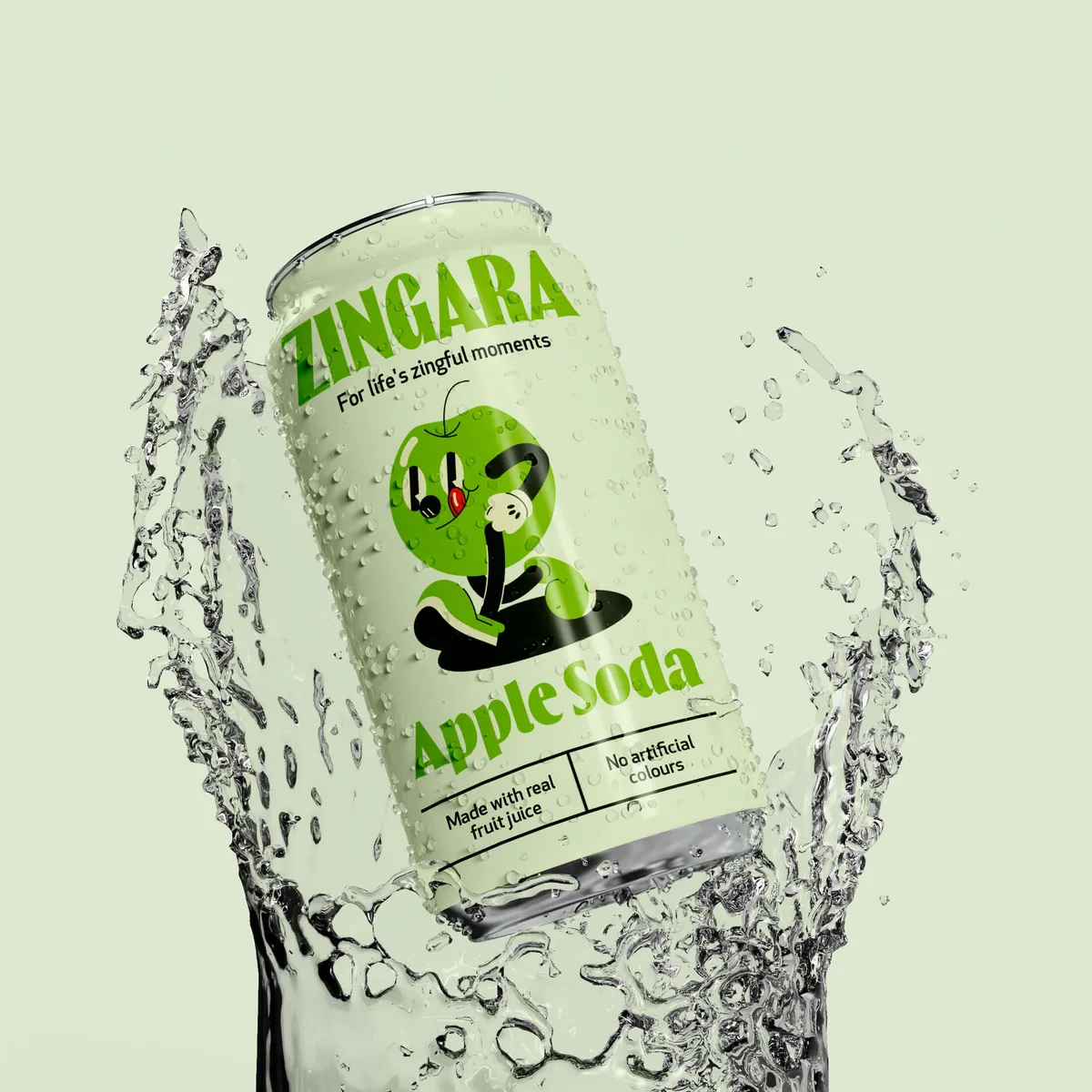
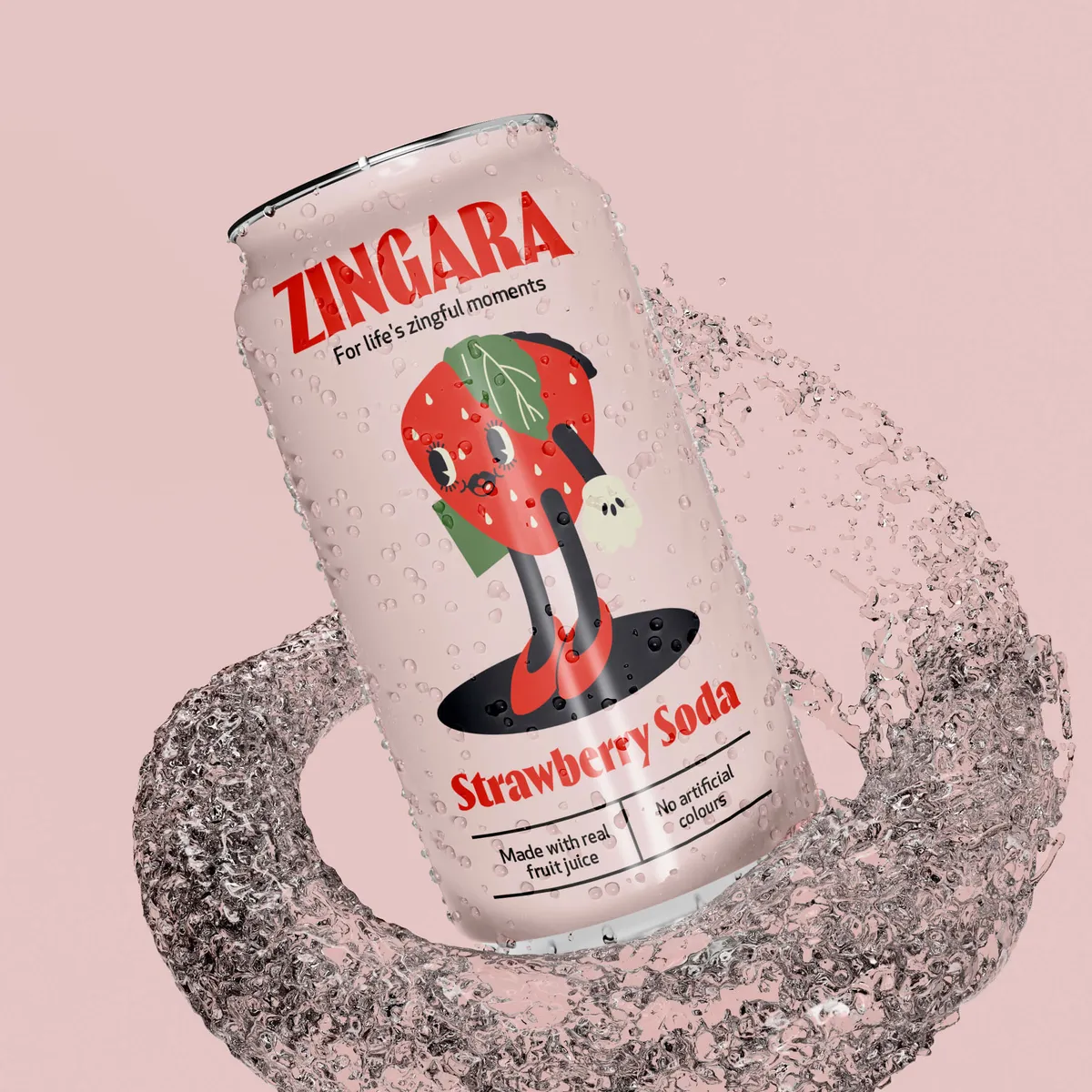
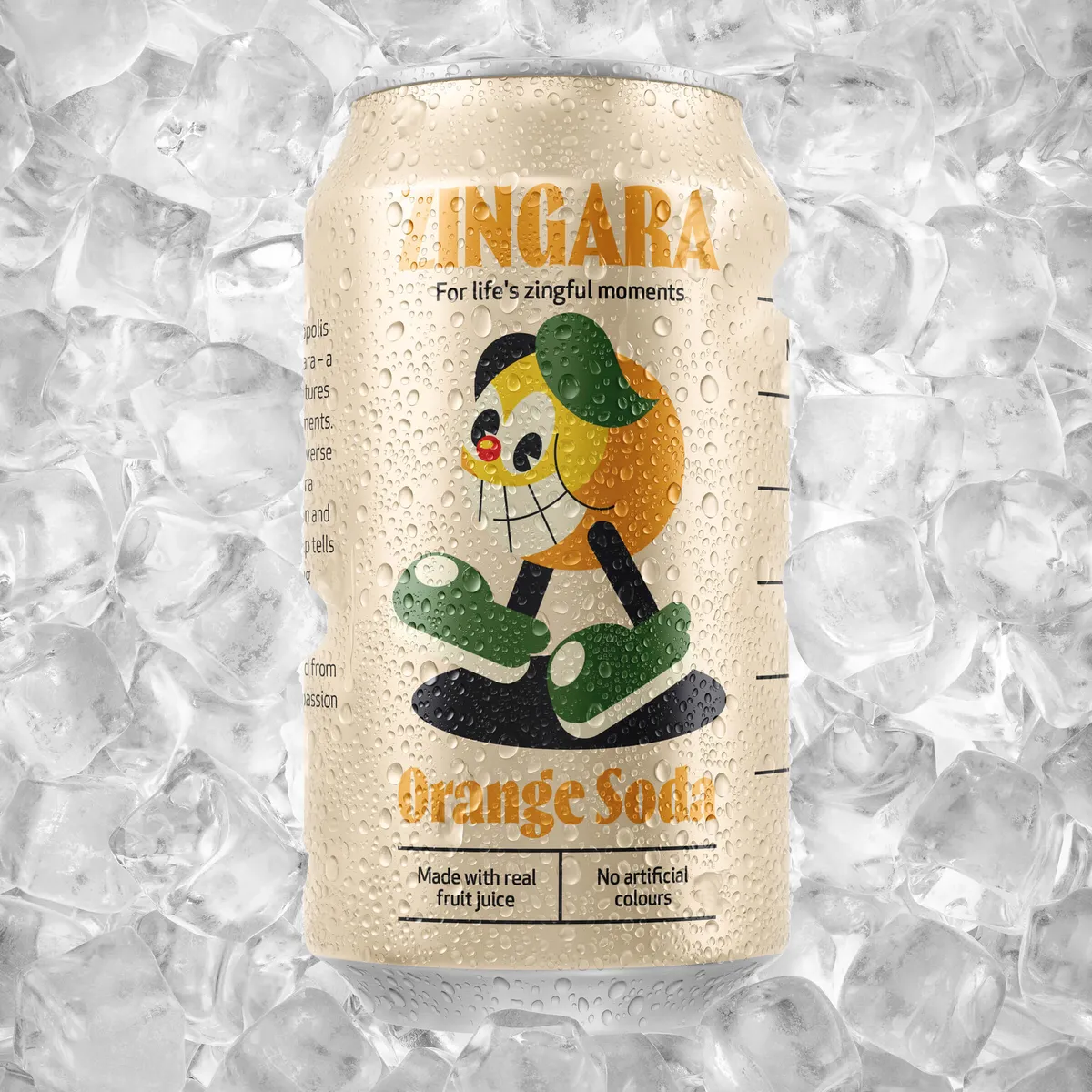
Zingara is a new soda brand that came to Noramble with the ambition to blend retro flavour nostalgia with modern design appeal. A drink that feels like a nod to the past but doesn’t look dated.
We built a visual identity and packaging system that oozes character from the moment it hits the shelf.
Zingara is proof that when personality is baked into your packaging (from top to bottom) it creates connection. And that’s what makes people pick it up, try it, and come back for more.



Your website is a space to show people the bones of your brand. Design decisions like animation, hover states, button copy, and even loading screens can carry personality. A brand that feels bold shouldn’t have a boring user experience. Make sure your website design reflects who you really are.
In your email footer. Your product labels. Your 404 “Page not found” screen.
These little moments are where brand personality can shine and where you can surprise the people engaging with you. A lot of people forget or don’t even think to incorporate branding in the small stuff.


Here’s where a lot of brands fall down: they build a fun, personality-filled brand… and then lose it to inconsistency.
One designer uses one font, the next changes the colour, someone else redesigns the Instagram feed, and suddenly your “bold, confident, playful” brand looks confused.
The fix? A clear brand system. One that explains why things look the way they do, and how to keep that personality intact as your team grows or changes.
At Noramble, we build systems that are usable and accessible to all. So whether you’re a team of two or twenty, your brand still shows up with the same energy, everywhere.

The future of brand design is undeniably personality-driven. As the market becomes more saturated and AI-generated content becomes the norm, personality will be the differentiator. It’s what people will crave. It’s what they’ll trust. And it’s what they’ll buy into.
Design is all about being recognisable. Memorable. Different.
That’s what personality brings to your brand design and it’s the difference between being seen and being scrolled past.
Think of your brand like your group of mates – they’ve all got different quirks, styles, ways of speaking. That’s what makes them interesting, right? Your brand should be no different.
So if your brand’s looking a little bland, or it just doesn’t feel like you anymore, it might be time to throw some (strategic) personality into the design mix.
And if you’re not sure where to start?
Well… we know a brand studio that lives for this stuff 😉.
Let’s talk … promise we don’t bite!


